Questions to ask before trusting a food claim
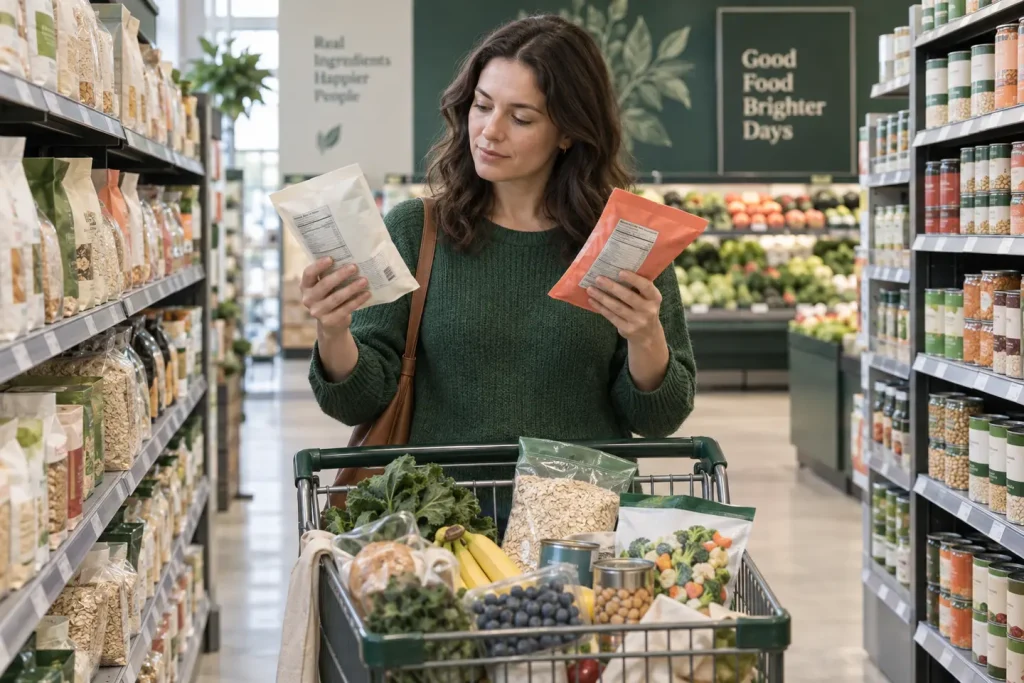
Editorial illustration; not a photograph of recipe testing.
Food articles often combine evidence, personal experience and marketing. Before deciding what a headline means, identify what kind of statement it is making.
Start with the exact claim
Does the article describe a preference, report a research result or promise an outcome? A personal story can be meaningful without showing what will happen to someone else. Write the claim in one plain sentence.
Follow the reference
Look for an identifiable source, author and date. Check whether a linked reference actually discusses the claim. If a page uses broad language such as “research proves”, note whether it gives readers enough information to examine that statement.
Compare like with like
When comparing eating approaches, use the same questions: what does the approach involve, what time and cost might it require, and what limitations does the writer acknowledge? Do not treat a popularity ranking as personal guidance.
Notice what is missing
Record unanswered questions rather than filling the gaps with assumptions. For advice about an individual health condition or dietary need, take those questions to an appropriately qualified professional. This checklist is about reading critically, not choosing a prescribed diet.